

HUG Hydronics
State & Lochinvar Combi Boiler Adapter (Without Fittings)
Couldn't load pickup availability
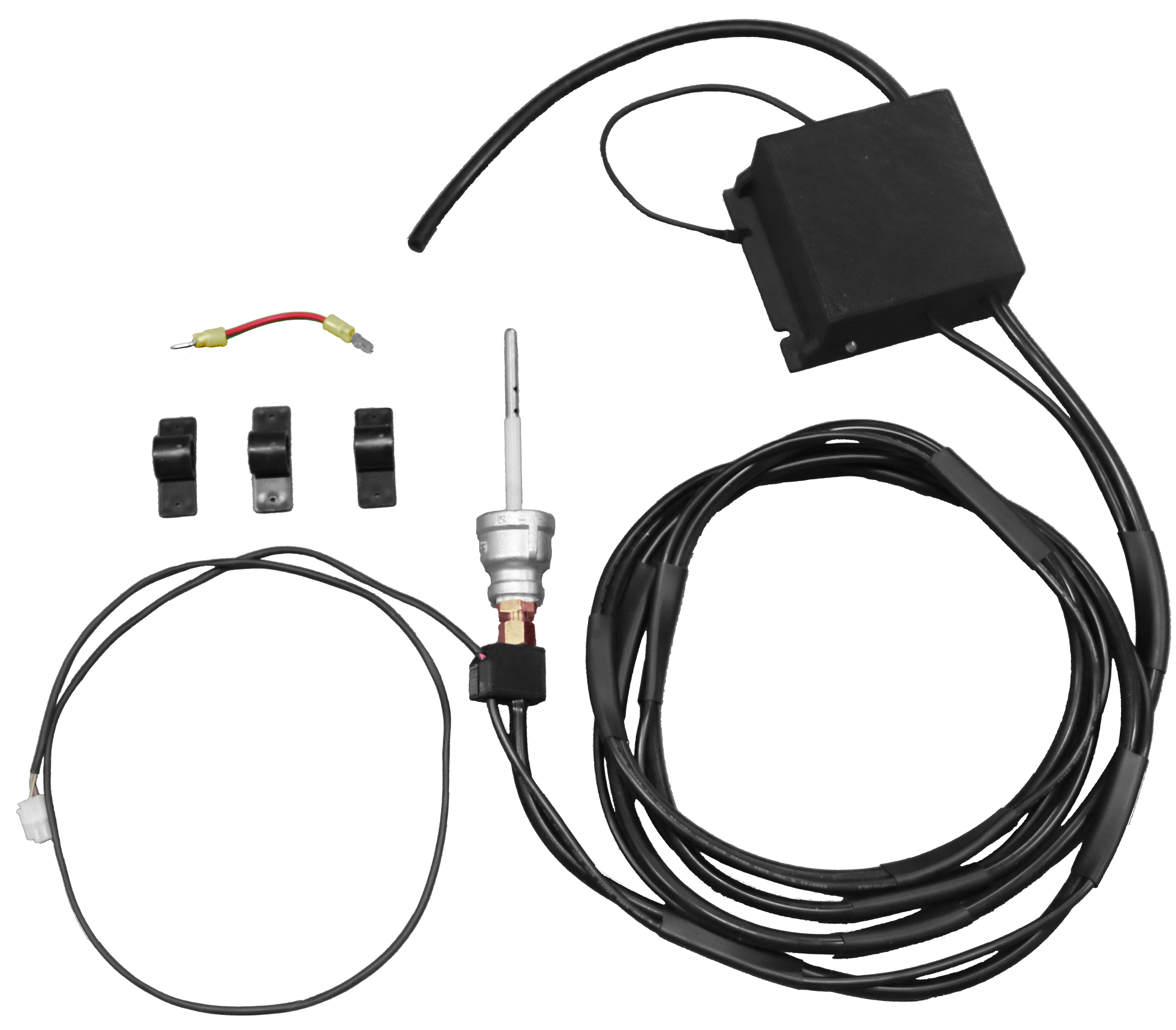
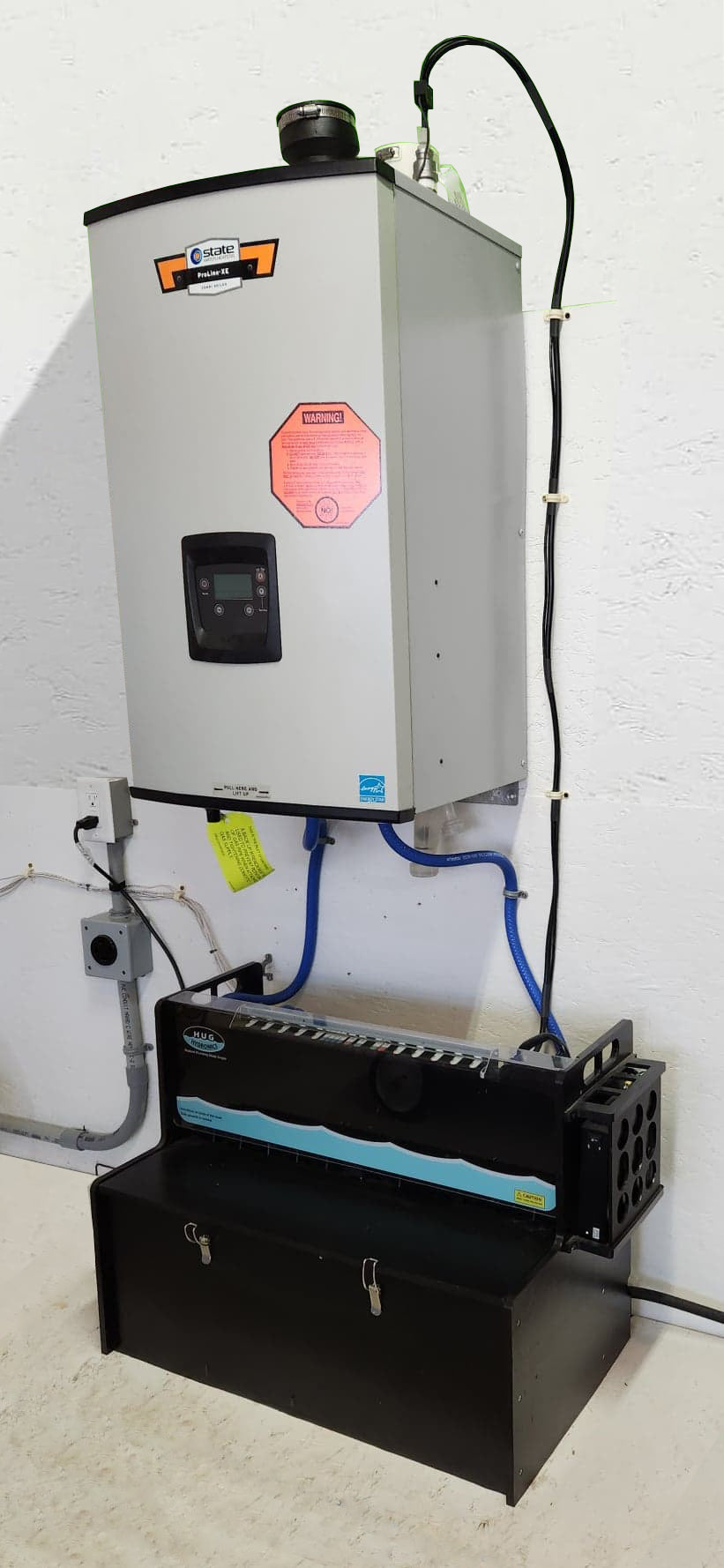
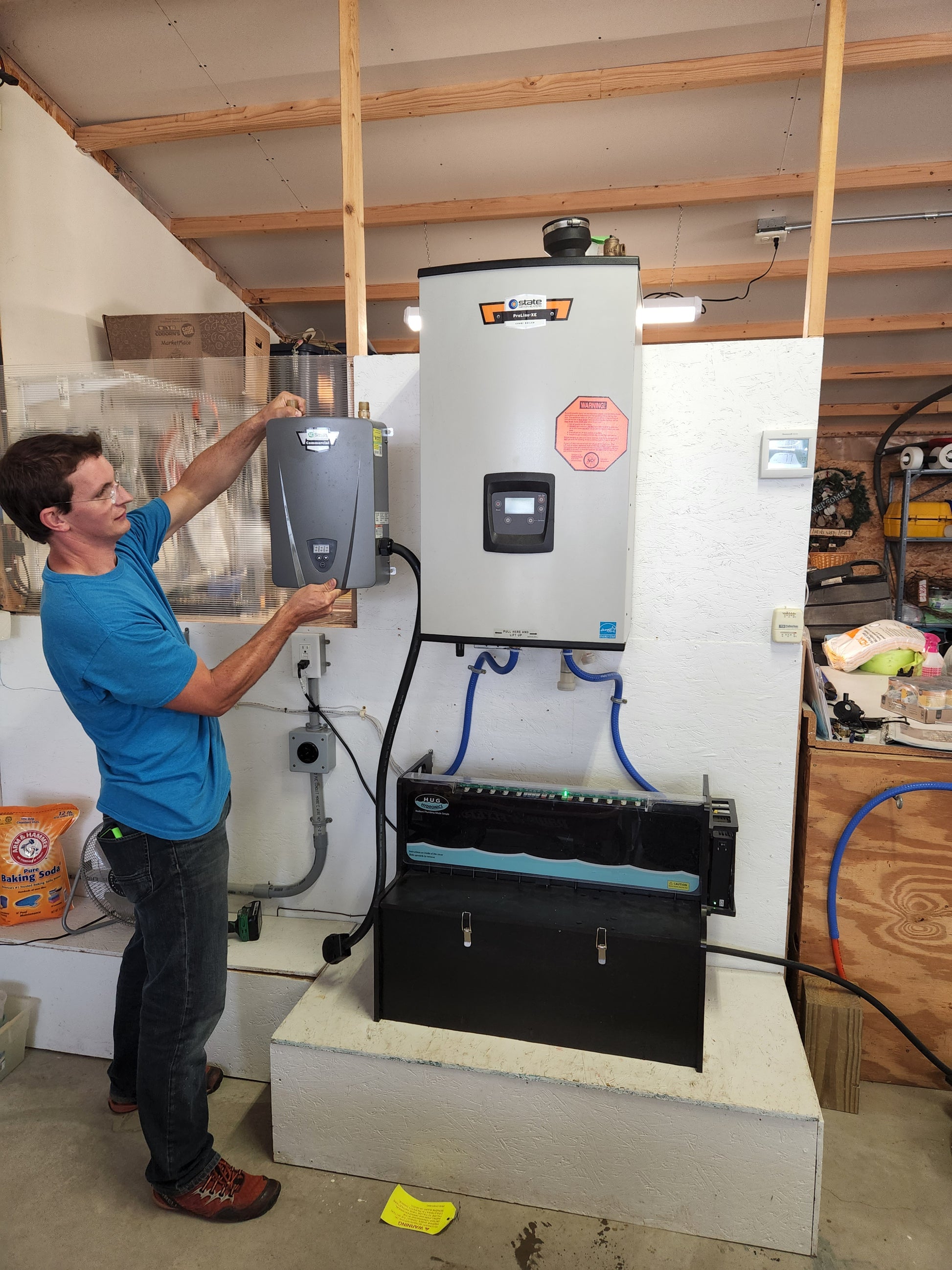
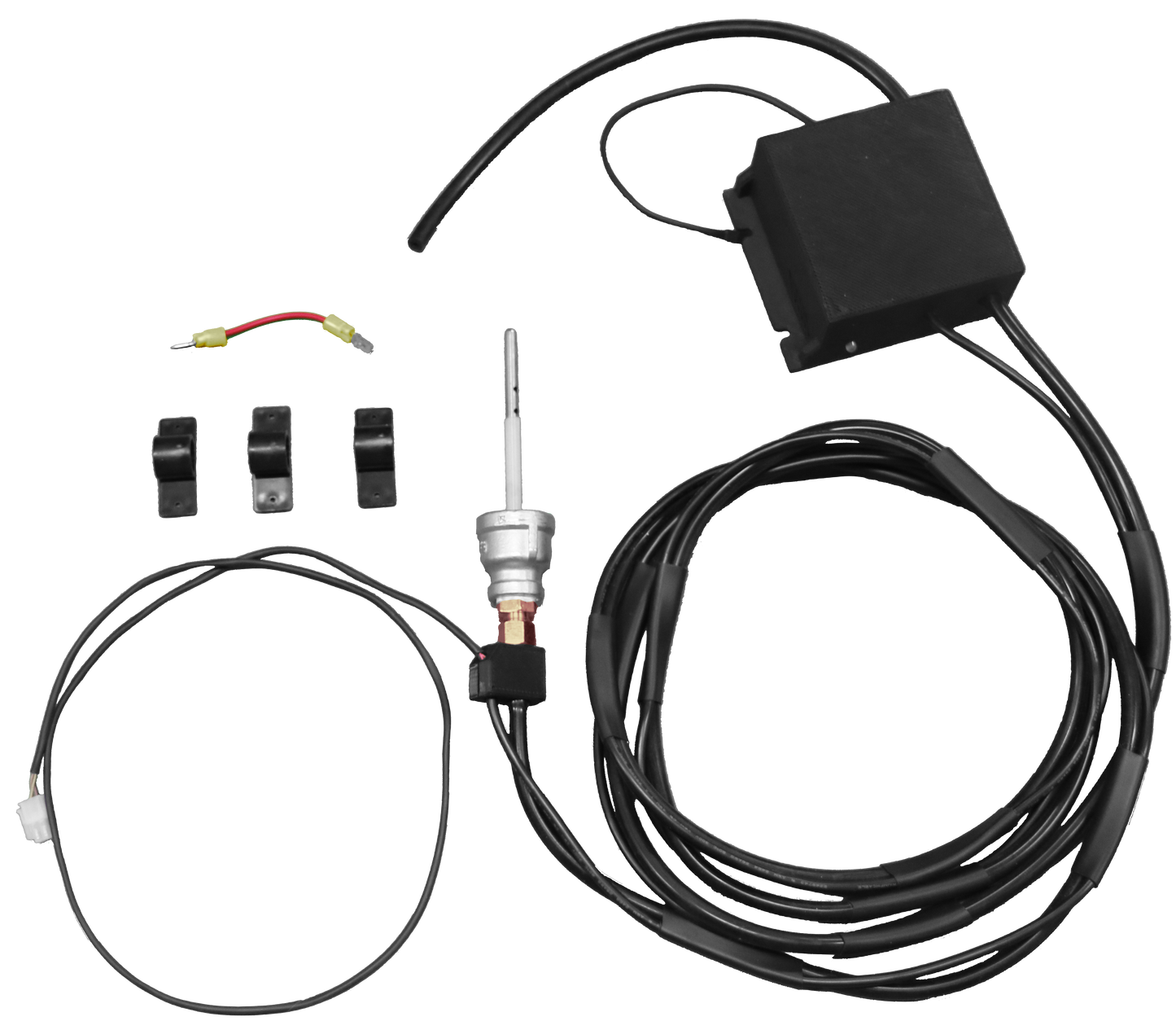
COMBI Boiler's needs an adapter to work the HUG Hydronics In-Floor Heating System. This is that adapter. Now, with one huge COMBI Boiler, you can heat your house and your hot water with the same boiler.
* Installs with 1 tool, about 5 minutes of work.
How does it work?
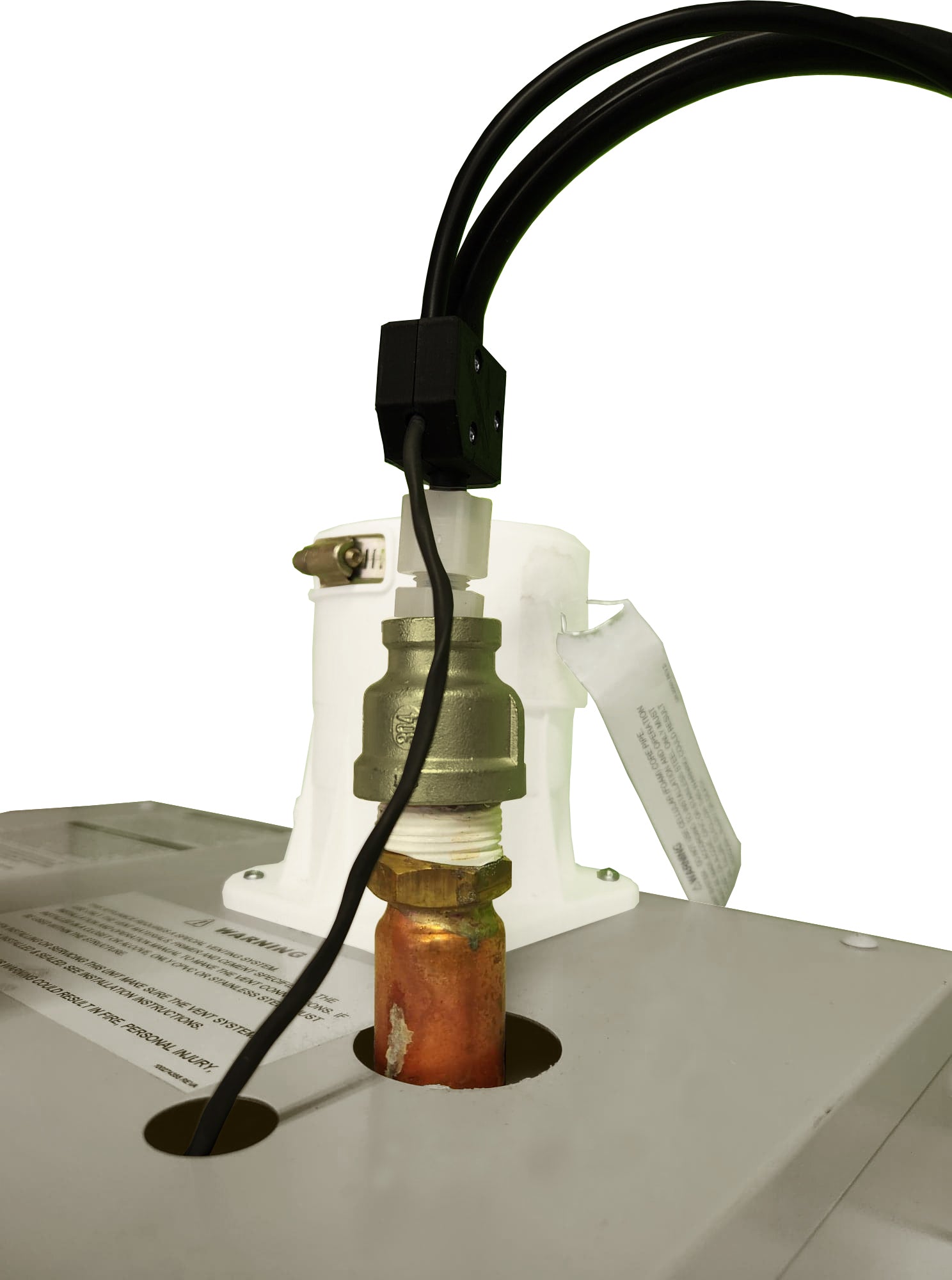
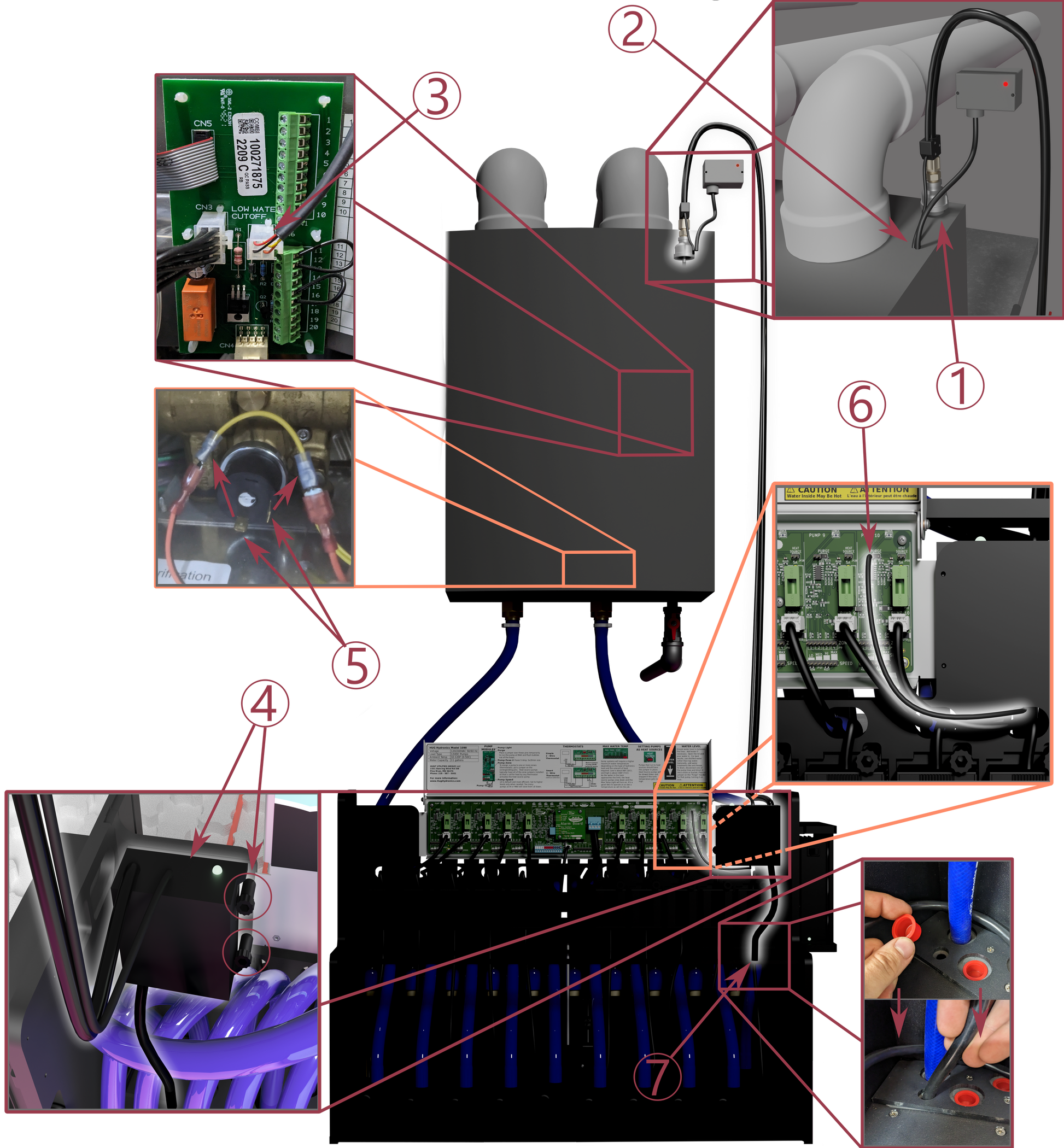
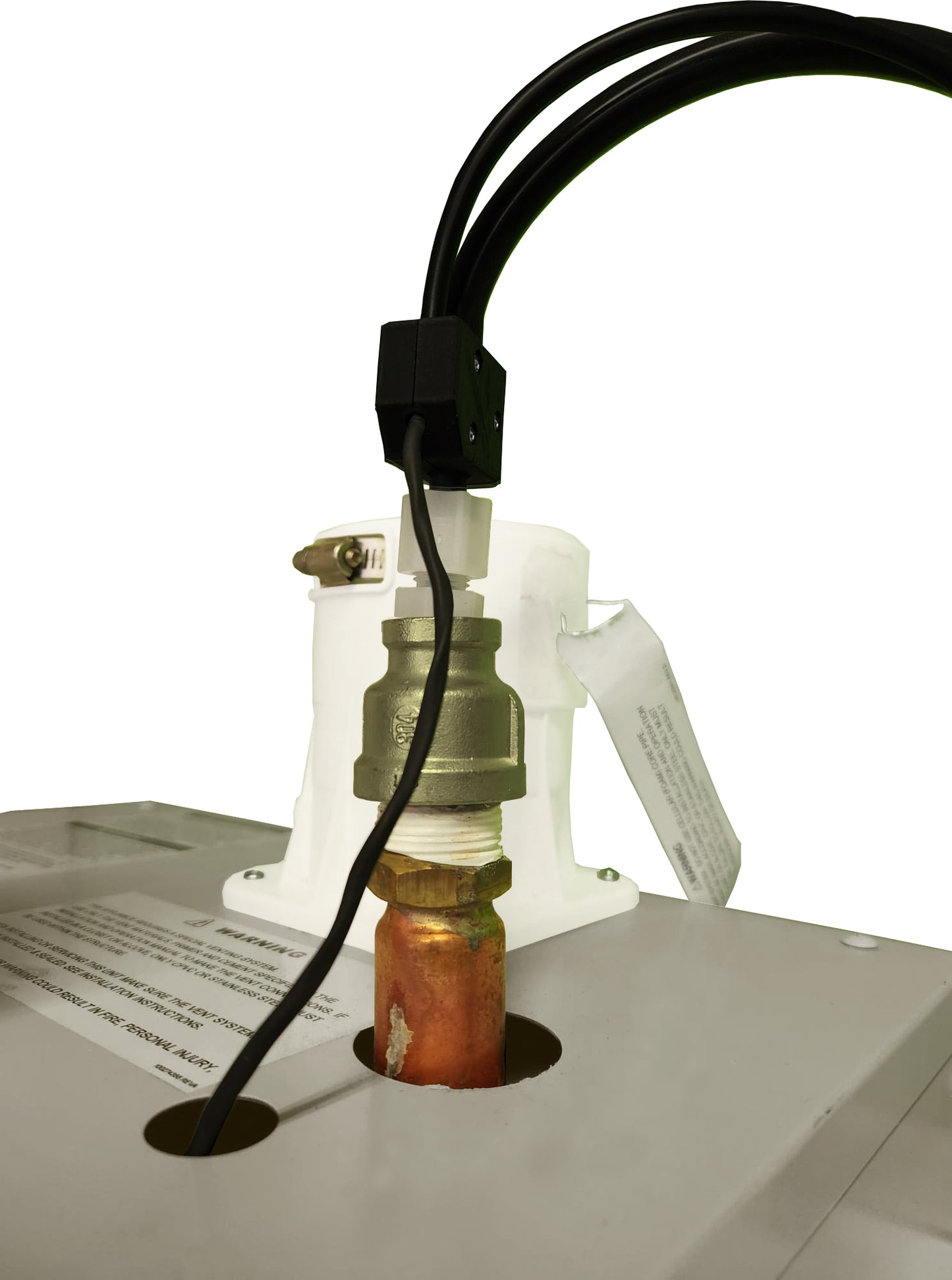
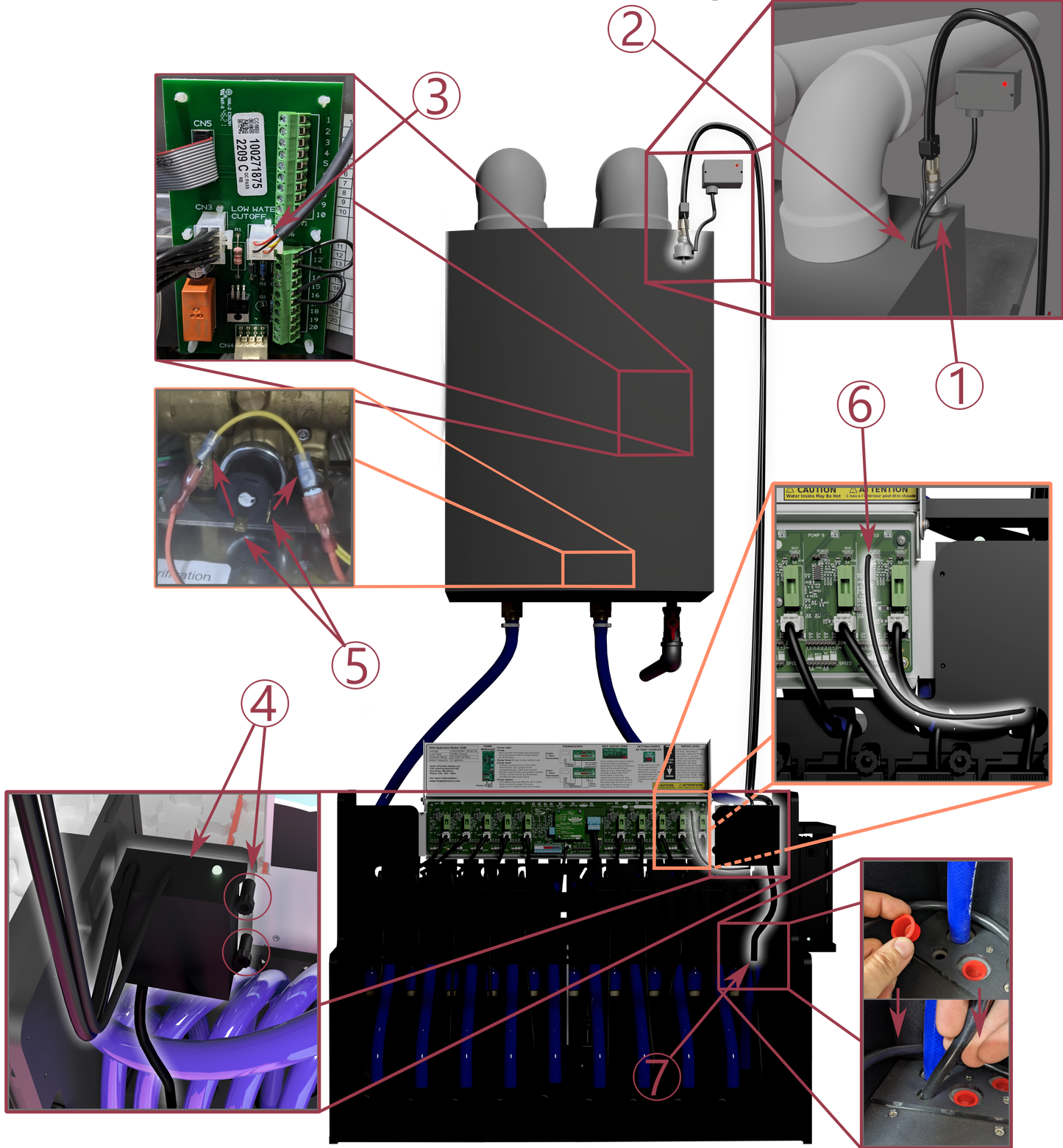
Combis have a pressure sensor which our adapter replaces with a low water level sensor and air remover. The probe senses if the water is low. If it is it sends a signal to the purge pins to run the pump 3 seconds, raising the water level enough to purge any air.
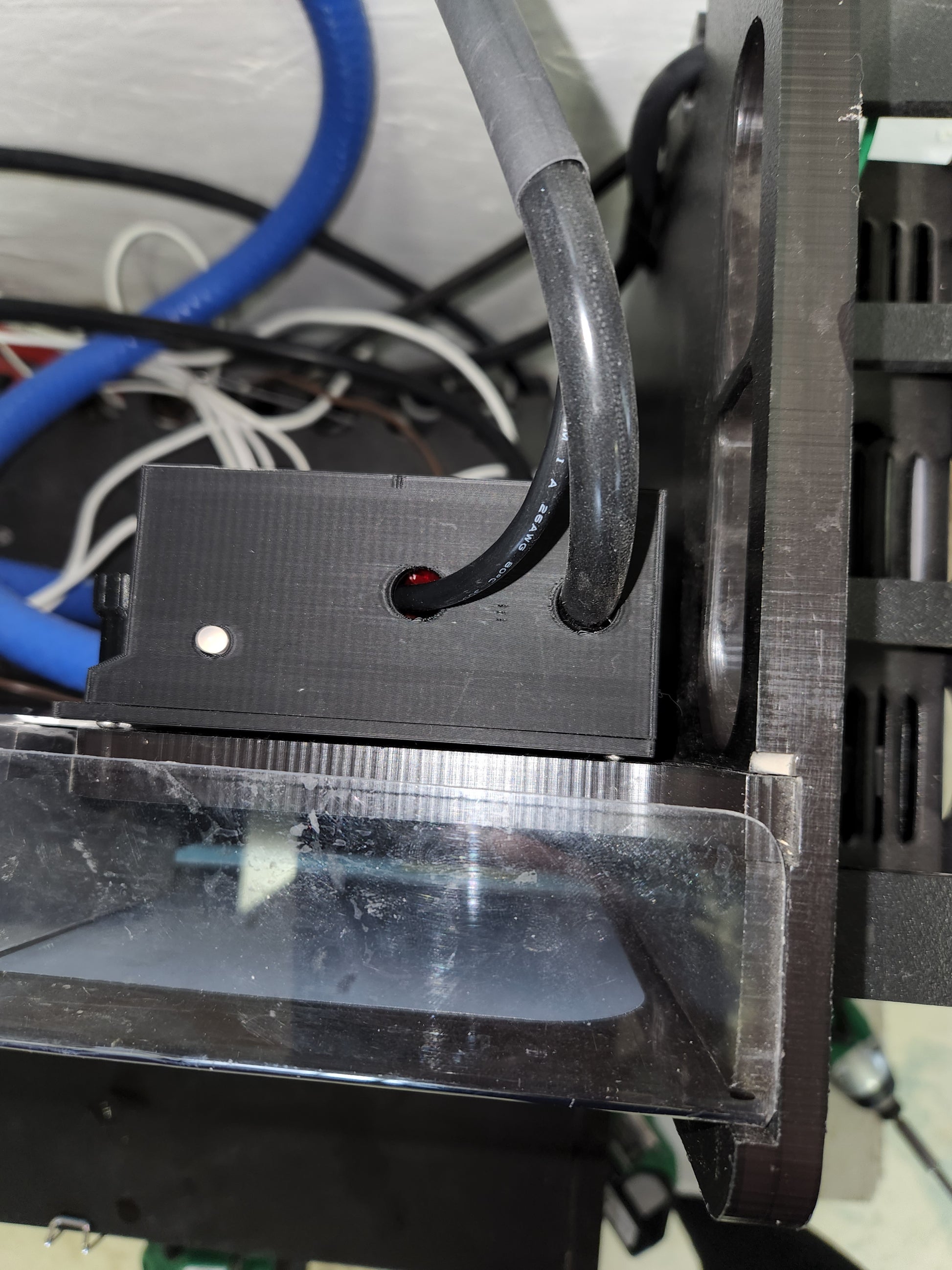
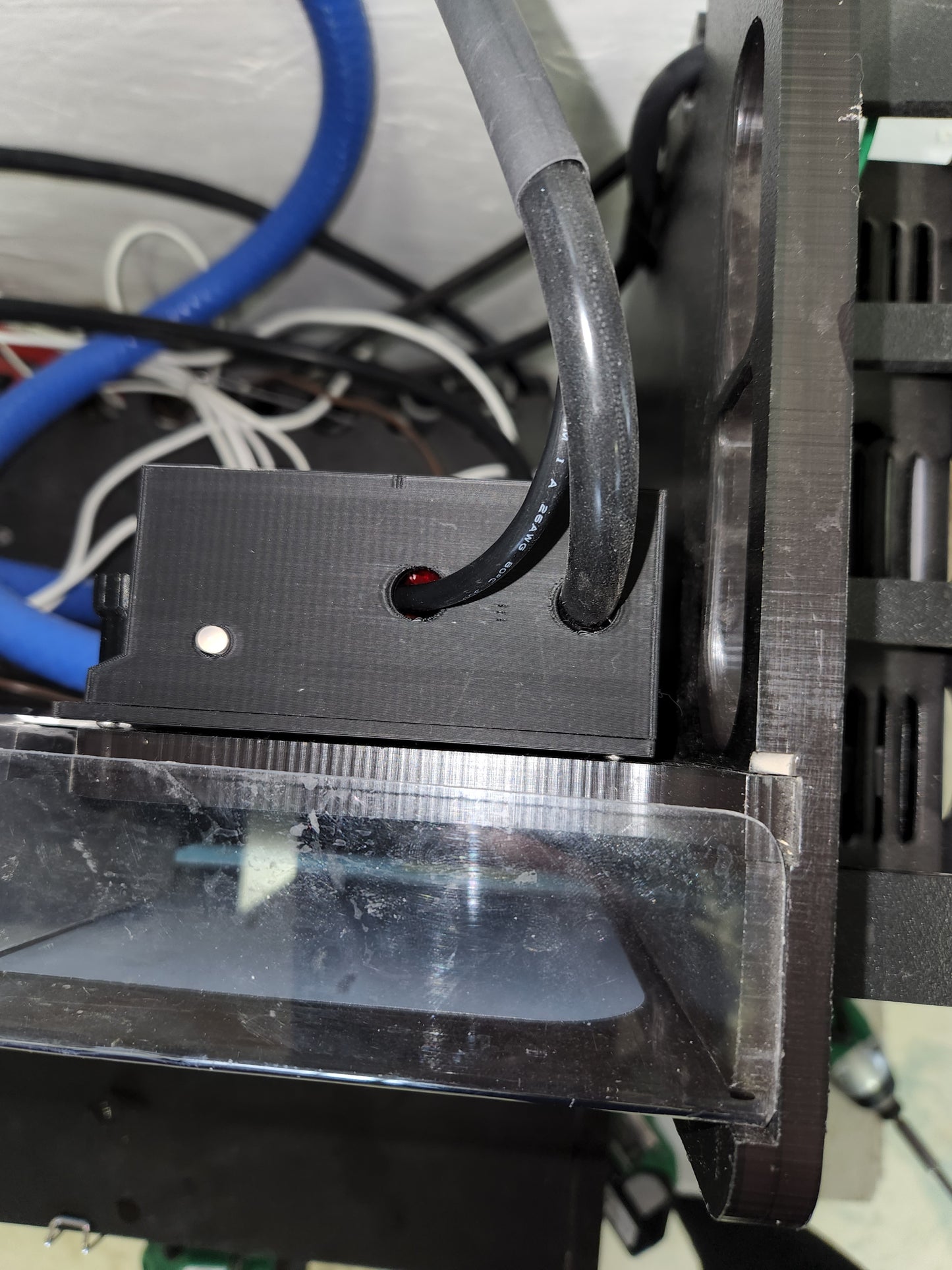
The water sensing probe gets stuck down a tube on the top, and the power cord goes down a hole and plugs into the circuit board of the COMBI Boiler. On the HUG Hydronics Tanks the black box slips in next to the thumb screws on the back. A hose goes into the tank and a connecting cord feed to the control board and plugs into the purge pins of the heater pump (usually pump #10).


How big of a water heater/ boiler do I need?
Ask the HUG Wizard; he knows. (Takes about 10 minutes for a full wizard; 3 minutes for the boiler sizer).
Answers to your questions about water heaters & boilers for in-floor heating
Q: What are the best types of water heaters or boilers for hydronic heat?
A: The best water heater (or boiler) for hydronic heat depends on the size of the space, the building’s heat-loss requirements, availability of fuel in your area, and the number of heating zones. Let’s go through them:
- Electric boilers are often a simple, but efficient choice for smaller or well-insulated buildings. They are also often the least expensive method in terms of cost. If planned out properly, heating during off-peak hours can save tremendously.
- Natural gas or propane boilers may be better suited for larger projects with higher heating demands. Natural gas is often an economical and relatively predictable option for properties already connected to a utility gas line. Although natural gas rates can rise or fall with demand, it’s at a relatively gradual change.
- Propane is a practical alternative for homes and buildings that do not have a natural gas service, this happens especially in rural areas. However, propane prices may vary more noticeably based on seasonal demand, regional supply, fuel-market conditions, and delivery costs.
- You should compare your region's fuel prices, availability, and supplier programs before selecting your heat source.
The HUG Hydronics system makes selecting and connecting your heat source easier than traditional hydronics systems. Its compact, low-pressure design works with most common eclectic, natural gas, and propane heat sources without requiring complicated walls of pumps, valves, or copper piping. Use the HUG Wizard to enter your project details, and our team will help match your system with an appropriately sized heat source.
Q: Can you run hydronics with a water heater or boiler?
A: Yes! Hydronic heating systems can use either a boiler or an appropriately rated water heater as a heat source.
Boilers are designed specifically for space heating and are often the best choice for larger buildings, colder climates, or projects with higher heating demands. Some water heaters can also supply hydronic heat, but they must be approved for space heating or combination applications and sized to meet the building’s heat-loss requirements. A standard domestic water heater should not automatically be assumed to be suitable for hydronic heating.
The HUG Hydronics system can connect with compatible electric, natural gas, or propane heat sources (among many others!) It should be noted that the HUG Hydronics system can work with almost any heating source, but electric, natural gas, and propane are the most frequently paired fuel sources. Its compact, low-pressure design simplifies the rest of the mechanical system, reducing the need for a complicated wall of pumps, valves, and copper piping. The HUG Wizard helps identify the project’s heating requirements so the right heat source can be selected for the job.
Q: What types of heat sources work with hydronic heating?
A: Hydronics heating systems can work with many different types of heat sources, including electric, natural gas, propane, wood boilers, approved water heaters, air-to-water heat pumps, and many others. Let’s go through the main ones:
- Electric heat sources are often simple to install and maintain.
- Natural gas and propane can provide higher heating capacity for larger buildings.
- Wood-fired systems may also be incorporated when an appropriate heat-exchanger and controls are used.
- Heat pumps can be an efficient option for hydronic heating when they are designed to heat water, such as an air-to-water system.
- Solar thermal collectors can contribute heat directly to the water through a properly designed storage tank or heat exchanger. Because solar output changes with weather and daylight, a dependable backup heat source is typically still required.
The HUG Hydronics system gives customers flexibility when choosing compatible heat sources. Its compact, low-pressure design can connect with many common electric, natural gas, propane, heat-pump, and wood-fired options while simplifying the pumps, controls, zoning, and distribution side of the system. This allows homeowners and contractors to select the heat source that fits the project without building a complicated mechanical system.